Understanding Pet Body Language: A Visual Guide to Your Pet's Emotions
Most communication between pets and people is non-verbal. The better you understand posture, eyes, tail movement, ears, tension, and pacing, the better your timing becomes in training, comfort, and daily care.
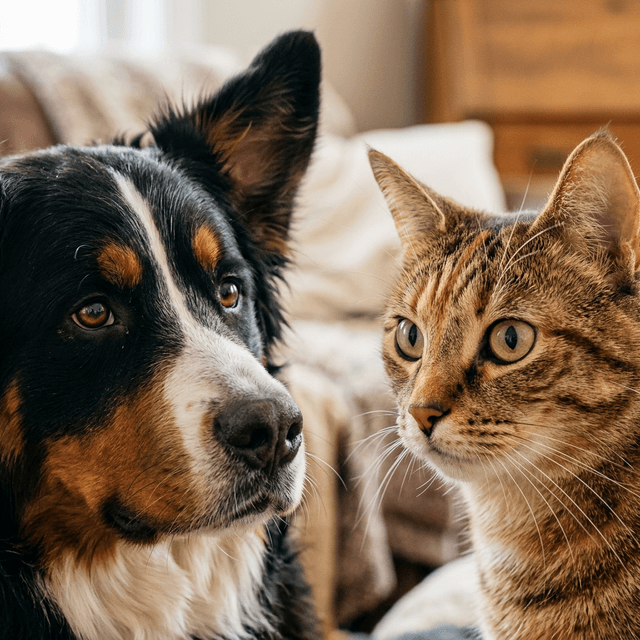
Why body language matters before behavior does
By the time a pet growls, freezes, snaps, hides, or shuts down, they have often already communicated discomfort in smaller ways. Body language is the earlier layer of the conversation. If you learn to read it, you can respond sooner and more gently.
This skill changes everything from greetings and grooming to vet visits and multi-pet introductions. It gives you better timing, which is often more valuable than stronger control.
The most useful signals to watch
Eyes, ears, tail carriage, body tension, weight distribution, mouth shape, and pacing all matter. Soft eyes and fluid movement often signal comfort. A hard stare, tucked posture, pinned ears, or sudden stillness often suggest stress, uncertainty, or defensive preparation.
No single body part should be interpreted in isolation. A wagging tail does not automatically equal happiness. You need the whole picture: tail speed, tail height, the rest of the body, and the context surrounding the moment.
Use observation to improve your timing
The best application of body language reading is not analysis after the fact. It is adjustment in the moment. If your pet begins looking away, lip licking, stiffening, backing up, or refusing food, that often means your current setup is too much.
- Increase distance before stress escalates.
- Pause handling and reset calmly.
- Reward soft posture and curiosity, not only big obvious behaviors.
- Treat stillness and avoidance as information, not stubbornness.
What better reading creates long term
Owners who understand body language tend to build more trust because their pets feel heard sooner. That does not mean every moment becomes easy. It means fewer interactions push the animal into unnecessary discomfort.
Body language reading is one of the quiet skills that makes everything else work better: training, socialization, care routines, and the relationship itself.