5 Science-Backed Techniques to Stop Leash Pulling
Leash pulling is one of the most common frustrations in dog ownership. The good news is that it is usually not a stubbornness problem. It is a learning problem, which means it can be reshaped with better timing, better setup, and more realistic expectations.
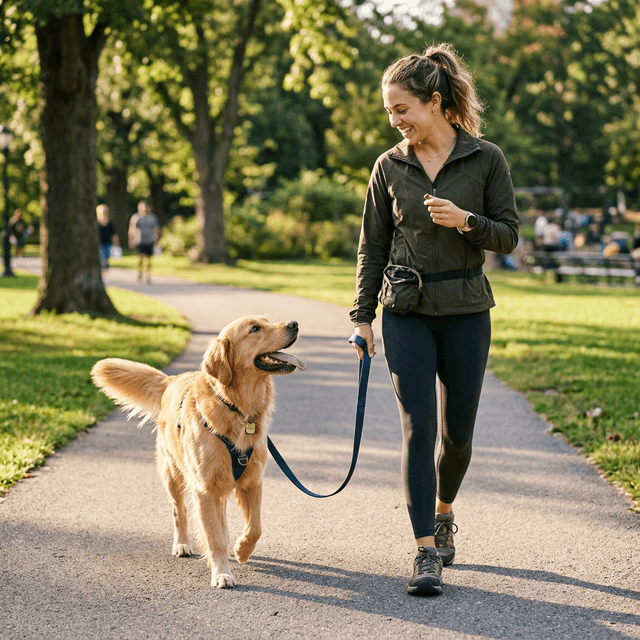
Why dogs pull so reliably
Dogs pull because pulling works. If a dog leans into the leash and still reaches the tree, the smell, the open space, or the interesting dog across the street, that pulling behavior just got reinforced. Over time, the leash tension becomes part of the strategy for getting what they want.
This is why framing leash pulling as disrespect or dominance usually blocks progress. The dog is not making a moral decision. The dog is using the behavior that has historically produced forward motion. Once you see it that way, training gets much easier to structure.
Setups matter more than people expect
Many owners try to teach loose-leash walking during the hardest possible version of the task: a full neighborhood walk with traffic, birds, smells, people, and urgency. That is like trying to teach reading comprehension in the middle of a concert. Skill building needs lower-distraction practice first.
Start in predictable spaces: indoors, hallways, driveways, quiet sidewalks, or parking lots during calm hours. Reward position, check-ins, and slack in the leash before the dog reaches full excitement. You are not just correcting mistakes. You are making the right pattern easier to repeat.
The five techniques worth mastering
Use a clear marker, reward near your side before tension builds, pause or change direction when the leash goes tight, reinforce voluntary attention, and break the walk into short successful repetitions instead of chasing one perfect thirty-minute outing.
These techniques work because they reduce ambiguity. The dog learns that staying connected to you produces movement, access, and reinforcement, while charging ahead does not speed the process up.
- Practice in low-distraction spaces first.
- Reward the dog while the leash is still soft, not after it gets tight.
- Reinforce eye contact and check-ins frequently.
- Use short, repeatable sessions instead of exhausting marathon walks.
How to judge progress fairly
Progress is rarely linear. A better measure is not whether the dog never pulls. It is whether the dog recovers faster, offers more check-ins, and spends more of the walk with a loose leash than last week. Those are meaningful improvements.
Some environments will always be harder than others. The goal is not robotic heel work on every street. The goal is a walk where communication remains intact and both dog and owner can stay regulated.